Aminata Surname, UX/UI designer. I design, in Figma, from what people actually do, and I build Claude CodeLovableGeminiVS Code what I design.
I map how people really move through a product, then design and build the path.
Selected work
Four projects: a mobile app, a SaaS tool, a website I designed and built, and a design system. Each one opens on the flow I mapped for it.
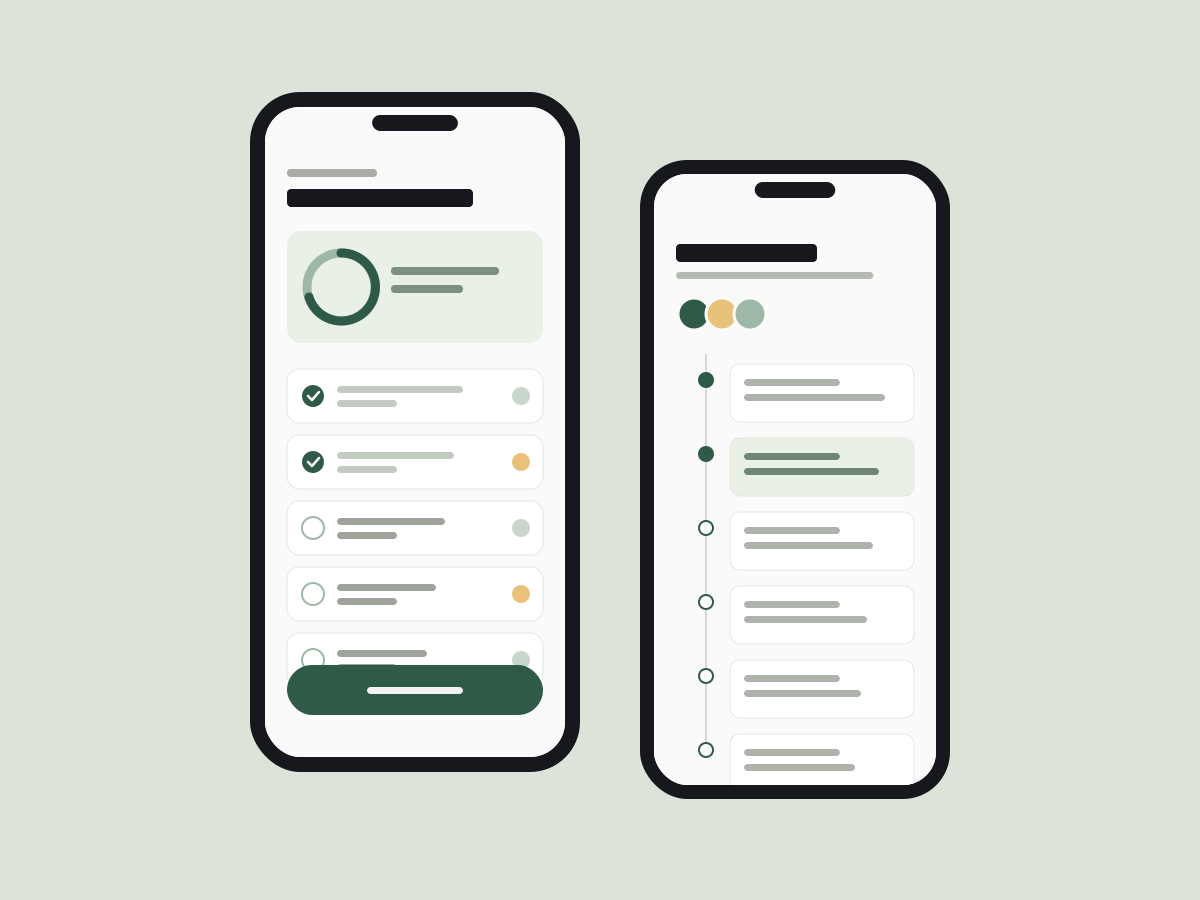 Turned a family group chat into a shared care routine.CarrowMobile app · 2025
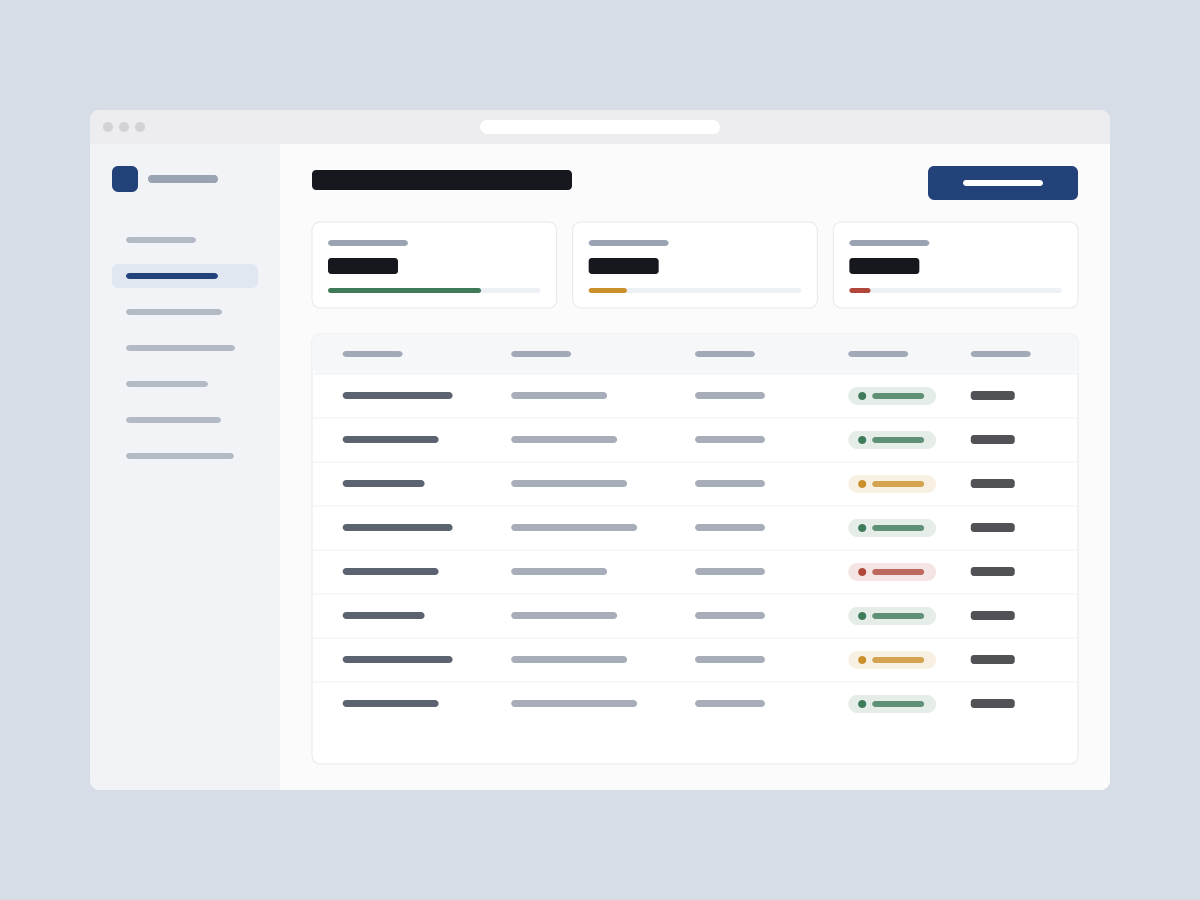 Rebuilt reconciliation around a review queue instead of a spreadsheet.TallyroomWeb app (SaaS) · 2025
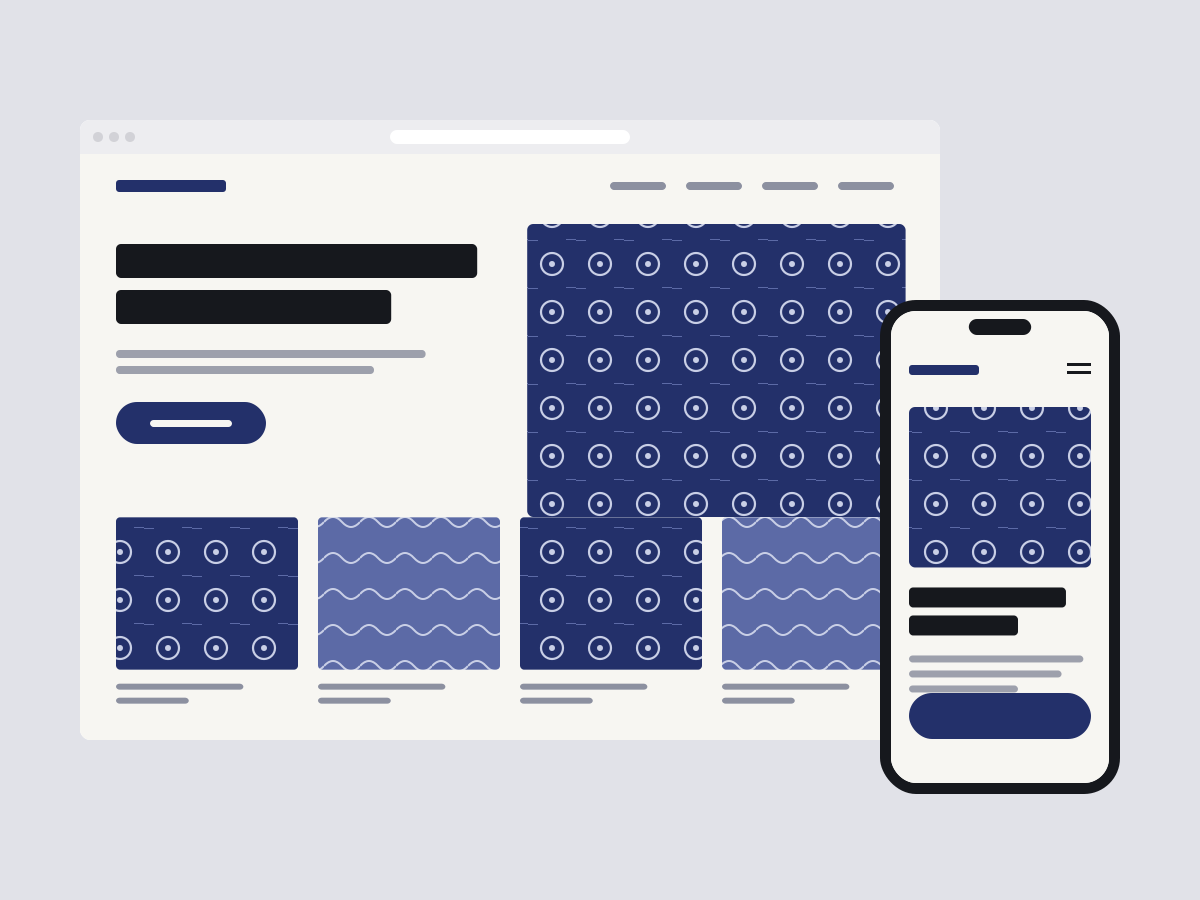 Designed in Figma, built with Claude Code and Lovable, live in three weeks.Indigo YardResponsive website · 2026
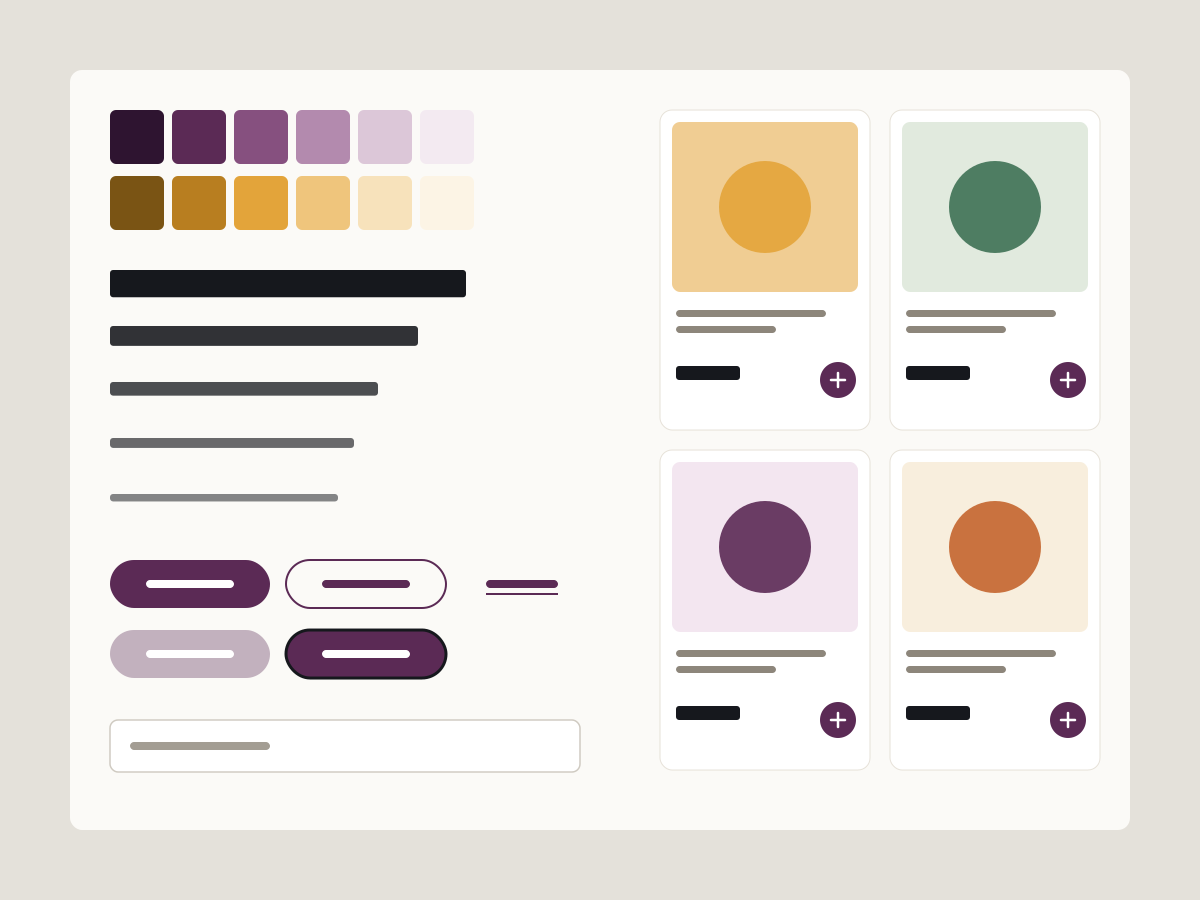 Cut 24 button styles to 5, with one source of truth for design and code.PlinthDesign system · 2024
How I build
Step 1, Figma, FigJam
Decide in Figma
Map the flow, then design the key screens with real components and named variables. I pick names a developer would use.
Step 2, Lovable
Test a rough version
A clickable version on a real link in an afternoon, so users can try it before anything is precious. Then it gets thrown away.
Step 3, Claude Code
Build with Claude Code
Frames, tokens and a written spec for every state and screen size go in. Production code comes out, one page at a time.
Step 4, VS Code
Finish by hand
I read every change: focus states, heading order, alt text, image sizes. AI is fast, not careful, so being careful is my job.
Then
Live
A real link people can use.
How I build
Step 1, Figma, FigJam
Decide in Figma
Map the flow, then design the key screens with real components and named variables. I pick names a developer would use.
Step 2, Lovable
Test a rough version
A clickable version on a real link in an afternoon, so users can try it before anything is precious. Then it gets thrown away.
Step 3, Claude Code
Build with Claude Code
Frames, tokens and a written spec for every state and screen size go in. Production code comes out, one page at a time.
Step 4, VS Code
Finish by hand
I read every change: focus states, heading order, alt text, image sizes. AI is fast, not careful, so being careful is my job.
Then
Live
A real link people can use.
See all four steps on a real brief in the Indigo Yard case study.
About me
- Starts with people
- Designs and builds
- Hard problems, not decoration
I’m Aminata, a UX/UI designer. I start with the people who will use the thing: talking to them, watching them work, and mapping where they get stuck. Then I design the screens, and more and more often I build them too.
I like problems where the hard part is understanding rather than decoration: care, money, small businesses, tools people use every day. I do my best work with teams who let me talk to their users.
- Based in
- City, working remotely
- Available
- Open to product design roles and freelance projects from November 2026.
Skills and tools
Practice
- User research, with Google Gemini and Lovable. Interviews, diary studies, usability tests, synthesis
- Flows and structure, with Figma. User flows, sitemaps, content inventories
- Interface design, with Figma. Mobile apps, web apps, responsive sites
- Design systems, with Figma and Claude Code. Tokens, components, documentation
- Prototyping, with Figma, Lovable and Claude Code. Figma prototypes and coded prototypes
- Front-end builds, with Claude Code and Visual Studio Code. HTML, CSS and Astro, built with AI tools and checked by hand
Tools
- Figma, used for Flows and structure, Interface design, Design systems and Prototyping. Flows, screens, components, variables, prototypes
- Claude Code, used for Design systems, Prototyping and Front-end builds. Production builds and coded prototypes
- Lovable, used for User research and Prototyping. Quick clickable versions to test with users
- Google Gemini, used for User research. A second pair of eyes on research synthesis and copy
- Visual Studio Code, used for Front-end builds. Reading and fixing every change before it ships
Contact
If people get stuck somewhere in your product, I’d like to hear about it.